








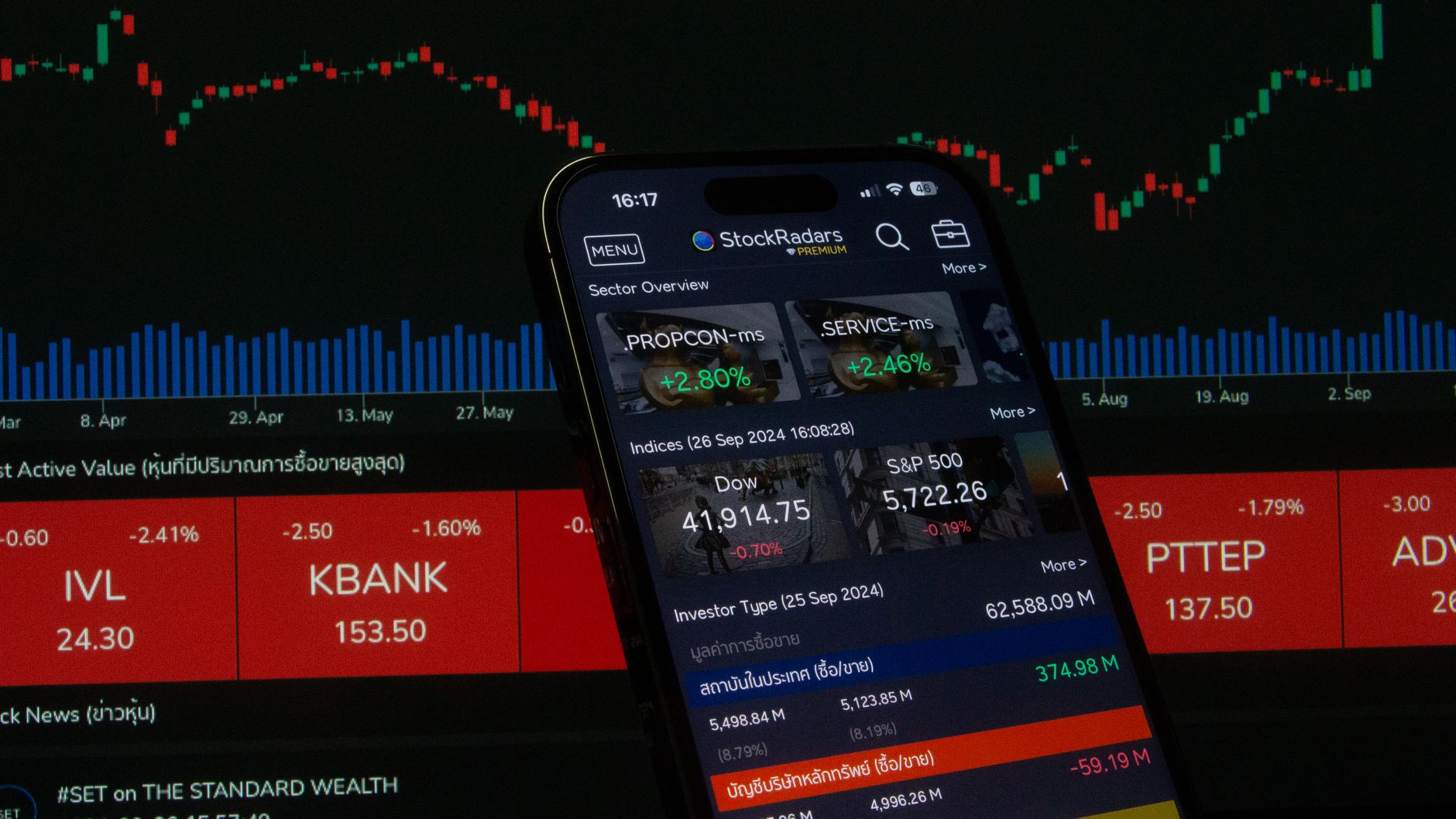
Indian stock markets are closed today on account of Good Friday, affecting trading activities across the nation.
Impact of Indian stock markets closure
The recent closure of the Indian stock markets on Good Friday has raised concerns among investors and analysts alike. This unexpected halt in trading is significant, as it comes during a period of volatility and uncertainty in the financial landscape.
Market analysts believe that the closure may lead to several implications for investors:
- Market Sentiment: The shutdown could dampen investor sentiment, especially for those who were looking to capitalize on market movements during the holiday.
- Trading Volume: A day without trading means lost opportunities for investors, which could affect overall trading volumes in the days following the closure.
- Global Influence: With international markets remaining open, the Indian stock markets may miss out on crucial global trends and shifts that could impact local stocks.
- Future Trends: Investors will be keenly watching how this closure influences market performance once trading resumes, especially in light of ongoing economic challenges.
Overall, the impact of the Indian stock markets’ closure on Good Friday could resonate well beyond the holiday itself.
Reasons for Indian stock markets being closed
The Indian stock markets observed an unexpected closure on Good Friday, leading to significant discussions among investors and analysts. Several reasons contributed to this decision, which has raised questions about market operations during public holidays.
- Historical Precedent: Good Friday has been a recognized public holiday in India for many years, with stock exchanges often closing to honor the day.
- Religious Observance: The significance of Good Friday in the Christian faith is a primary reason for the closure, as many individuals observe this day in remembrance.
- Market Regulations: The guidelines set by the Securities and Exchange Board of India (SEBI) stipulate that stock exchanges may remain closed for certain public holidays, including religious observances.
- Investor Sentiment: The closure has prompted reactions from investors, with some expressing concerns about the impact on trading volumes and market liquidity.
Overall, the closure of the Indian stock markets on Good Friday underscores the intersection of cultural practices and financial operations, reminding stakeholders of the broader implications of holiday observances in the trading landscape.
History of Indian stock markets on Good Friday
The Indian stock markets have a long history of observing closures on significant religious occasions, with Good Friday being one of the notable days. Traditionally, the markets remain shut on this day to honor the Christian observance of the crucifixion of Jesus Christ. This practice reflects the diverse cultural and religious fabric of India, where various faiths and festivals are respected in the financial calendar.
Over the years, the closure of the Indian stock markets on Good Friday has led to varied reactions from investors and analysts alike. While some view it as a necessary pause, others express concerns about the impact on trading activity, especially during crucial market periods. The closure on Good Friday has historically been seen as a day of reflection rather than a day for financial transactions.
- In 2020, the markets closed amidst the pandemic, which added a layer of complexity to the annual observance.
- In previous years, closures have been accompanied by heightened discussions regarding market performance leading up to the holiday.
As the Indian stock markets navigate these closures, the significance of Good Friday continues to resonate within the broader context of market operations.
Future of Indian stock markets after holidays
The future of Indian stock markets after the holidays remains a topic of considerable interest among investors and analysts alike. With the recent closure on Good Friday, many are keen to understand the implications for market performance moving forward.
Historically, closures due to holidays can create volatility in the trading environment. This year, the Indian stock markets witnessed significant fluctuations prior to the Good Friday break, leading to speculation about potential trends post-holiday. Investors are particularly focused on key economic indicators, corporate earnings reports, and global market trends that may influence trading activity.
Moreover, the extension of trading hours or adjustments in market strategies could be crucial for maintaining investor confidence. Analysts suggest that the Indian stock markets could experience a rebound as traders reassess their positions and respond to recent economic developments.
In summary, while the closure on Good Friday presented challenges, it also offers a moment for reflection and strategic planning. The resilience of the Indian stock markets will be tested, and stakeholders will be closely monitoring market activities in the coming days.
Investors’ reactions to Indian stock markets closure
Investors have expressed a mix of disappointment and concern following the closure of the Indian stock markets on Good Friday. Many traders had anticipated a vibrant trading session, especially after recent market rallies. The unexpected closure has left some investors feeling anxious about missed opportunities.
Market analysts reported a surge in inquiries from investors seeking clarity on the implications of the closure. Rahul Mehta, a financial advisor, noted, “The Indian stock markets have shown resilience, and this closure comes as a surprise to many who were looking to capitalize on the momentum.”
Additionally, some retail investors took to social media to voice their frustrations. “Another holiday just when the market was gaining steam! We need to make the most of these opportunities,” tweeted an investor, reflecting the sentiment of many in the community.
Despite the concerns, seasoned investors are taking a more measured approach, emphasizing the need for patience. As they await the reopening, there are discussions on potential market movements that could occur post-holiday, reinforcing the ever-evolving nature of the Indian stock markets.
Alternatives for trading during Indian stock markets closure
As the Indian stock markets remain closed on Good Friday, investors may seek alternatives to continue their trading activities. While the markets are inactive, several options are available for those looking to stay engaged.
- Global Markets: Traders can monitor international stock exchanges like the New York Stock Exchange or the London Stock Exchange. These markets often provide insights into trends that may impact the Indian stock markets once they reopen.
- Commodities Trading: Participating in commodities markets, such as gold and crude oil, can provide an alternative avenue for trading during the closure of the Indian stock markets.
- Forex Trading: Engaging in foreign exchange trading allows investors to capitalize on currency fluctuations, providing opportunities even when local markets are closed.
- Investment in Mutual Funds: Investors may consider shifting their focus to mutual funds, where they can invest in diversified portfolios without being directly affected by stock market closures.
These alternatives ensure that traders can remain proactive and informed, even as they await the reopening of the Indian stock markets.
Photo by StockRadars Co., on Pexels