






Termites are among the most destructive pests that can invade a home or commercial space. They work silently, deep within the walls, floors, and structural foundations of buildings—often for months or years before any visible signs appear. By the time most property owners notice the damage, the infestation has already progressed far beyond what a simple surface treatment can resolve.
What’s Covered
- What Are Termites and Why Are They So Destructive?
- How Do You Know If You Have a Termite Problem?
- What Methods Are Used for Termite Control?
- Liquid Soil Treatments
- Termite Bait Systems
- Wood Treatment
- Fumigation
- Heat Treatment
- How Does Professional Termite Inspection Work?
- What Makes Termite Control Different from Other Pest Management?
- How Can You Prevent a Termite Infestation?
- Frequently Asked Questions About Termite Control
- What is the difference between subterranean and drywood termites?
- How long does termite treatment take to be effective?
- Can termite damage be repaired after treatment?
- Is termite control safe for families and pets?
- How often should a property be inspected for termites?
- What should you do if you suspect a termite infestation?
- Taking Action Before the Damage Deepens
This guide addresses the most common and pressing questions about termite control (除白蟻), covering everything from early identification to professional treatment strategies. Whether you’re dealing with an active infestation or looking to prevent one, understanding the full picture of termite behavior and control is the first step toward protecting your property.
What Are Termites and Why Are They So Destructive?
Termites are small, social insects that live in structured colonies. They feed on cellulose—the organic compound found in wood, paper, and plant material. A single colony can consist of many thousands of individuals, all working continuously to consume the organic materials that make up the structure of most homes and buildings.
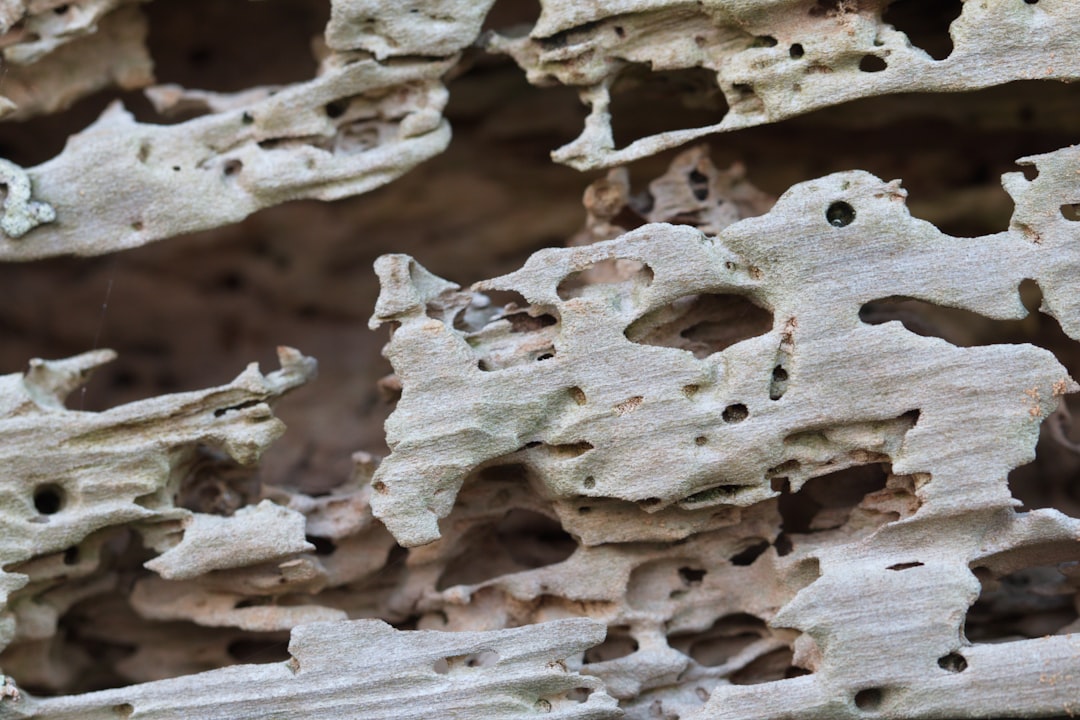
What makes termites uniquely dangerous is their ability to remain hidden. Unlike cockroaches or rodents, termites do not wander in the open. They tunnel through wood from the inside, leaving only a thin outer shell intact. This concealment allows infestations to grow substantially before detection.
Subterranean termites—the most common species in Taiwan—build nests underground and travel through mud tubes to reach wooden structures above the soil line. Drywood termites, on the other hand, nest directly inside the wood they consume. Each species requires a different approach to control.
How Do You Know If You Have a Termite Problem?
Early detection is critical. By recognizing the signs before an infestation matures, property owners can reduce the extent of structural damage significantly. Key indicators include:
Mud tubes: Pencil-thin tunnels made of soil and wood particles running along walls, foundations, or floors
Hollow-sounding wood: Tapping on wooden surfaces that should feel solid—if they sound hollow or papery, termites may have consumed the interior
Discarded wings: Termite swarmers shed their wings after establishing a new colony; small piles of wings near windowsills or doorframes are a warning sign
Frass (termite droppings): Drywood termites leave behind small, pellet-like droppings that resemble fine sawdust
Bubbling or uneven paint: Moisture produced by termite activity can cause paint to bubble or surfaces to appear warped
Visible swarms: A sudden appearance of winged insects, particularly near light sources, can indicate a nearby colony producing new reproductives
Not all of these signs appear at once. A professional inspection is often necessary to confirm whether termite activity is present, and to determine its scope.
What Methods Are Used for Termite Control?
Effective termite control depends on the species involved, the severity of the infestation, and the type of structure being treated. Pest control professionals typically assess each situation individually before recommending a treatment plan.
Liquid Soil Treatments
This method involves applying a termiticide to the soil around and beneath a structure. Subterranean termites traveling between their nest and food source pass through the treated zone, which eliminates active populations and creates a protective barrier. When applied correctly, liquid treatments can provide durable, long-term protection.
Termite Bait Systems
Bait stations are placed in the ground at regular intervals around a property. Termites locate the bait, consume it, and carry it back to the colony. Over time, the colony population declines. Bait systems are particularly useful in situations where soil treatment is difficult or where ongoing monitoring is preferred.
Wood Treatment
Direct application of termiticides or borates to exposed or at-risk wood surfaces creates a protective layer that discourages termite feeding. This approach is commonly used during construction or renovation to protect structural timber before it is enclosed within walls or flooring.
Fumigation
For severe drywood termite infestations, fumigation may be recommended. The entire structure is sealed and filled with a gas that penetrates all wood surfaces. This method eliminates infestations throughout a building but does not provide residual protection against future entry.
Heat Treatment
Applying controlled heat to specific areas raises the internal temperature of infested wood to a level that is lethal to termites. Heat treatment is a chemical-free option that works well in localized infestations.
How Does Professional Termite Inspection Work?
A professional termite inspection is a structured process that goes well beyond a quick visual check. A qualified pest control technician will examine:
Foundation and basement areas for evidence of subterranean activity or mud tubes
Crawl spaces and attics where termites often go undetected for extended periods
Window and door frames, which are frequent entry and feeding points
Wooden structural elements, including beams, joists, and flooring
The exterior perimeter for signs of swarm activity or soil disturbance
Following the inspection, a detailed report is provided that outlines any active infestations, areas of potential risk, and recommended treatment options. This assessment forms the foundation for any termite control strategy.
What Makes Termite Control Different from Other Pest Management?
Termite control requires a level of precision and expertise that differs from general pest management. Most common household pests are surface-level problems—they can be seen, tracked, and addressed with relative ease. Termites are structural pests. Their activity occurs within the materials that hold a building together.
An integrated approach to pest management, such as the IPM (Integrated Pest Management) framework, looks at the full picture: identifying the species, locating the source, assessing the extent of damage, and implementing targeted treatments that minimize environmental impact while maximizing effectiveness. This method avoids unnecessary chemical use and focuses on long-term prevention as much as immediate elimination.
How Can You Prevent a Termite Infestation?
Prevention is always preferable to treatment. Several practical steps can reduce the risk of termite activity in and around a property:
Eliminate moisture sources: Termites thrive in humid environments. Fix leaking pipes, improve drainage, and ensure proper ventilation in crawl spaces and basements.
Remove wood-to-soil contact: Wood in direct contact with soil gives subterranean termites easy access to a structure. Use concrete or metal barriers where possible.
Store wood away from the building: Firewood, lumber, and garden debris stored against exterior walls create a ready food source near entry points.
Seal cracks and gaps: Regularly inspect and seal openings in the foundation, around pipes, and along the roofline where termites can enter.
Schedule regular inspections: Annual inspections by a qualified pest control professional catch early signs of activity before they escalate.
Frequently Asked Questions About Termite Control
What is the difference between subterranean and drywood termites?
Subterranean termites nest in the soil and require ground contact to survive. They typically cause more widespread structural damage. Drywood termites nest inside the wood they consume and do not require soil contact. Each type requires a different control strategy, making correct identification essential before any treatment begins.
How long does termite treatment take to be effective?
This depends on the method used. Liquid soil treatments typically begin working as soon as termites contact the treated zone, with full colony elimination taking several weeks. Bait systems work more gradually, as the bait must be discovered, consumed, and distributed through the colony—a process that can take weeks to several months.
Can termite damage be repaired after treatment?
Yes. Once an active infestation has been fully eliminated, structural repairs can begin. Damaged wood is typically removed and replaced with sound timber. In some cases, pest control professionals work alongside contractors to assess which structural elements require replacement versus reinforcement.
Is termite control safe for families and pets?
Modern termite control treatments are formulated to be effective against termites while minimizing risk to humans and animals when applied correctly by a licensed professional. Treatments are targeted to specific areas, and technicians will advise on any necessary precautions during and after application.
How often should a property be inspected for termites?
Annual inspections are recommended for most properties, particularly those in areas with known termite activity or high humidity. Properties with a history of infestation or those constructed with significant amounts of untreated wood may benefit from more frequent checks.
What should you do if you suspect a termite infestation?
Avoid disturbing the area. Disrupting termite activity can cause the colony to scatter and make it harder to locate the full extent of the infestation. Contact a professional pest control company as soon as possible for a thorough inspection and assessment.
Taking Action Before the Damage Deepens
Termite infestations do not resolve on their own. Every day without intervention gives a colony more time to consume the structural integrity of a building. The cost of addressing an infestation at an early stage is considerably lower than managing the structural repairs that follow prolonged activity.
If you notice any of the warning signs described in this guide—or if it has been more than a year since your last professional inspection—the appropriate next step is a thorough on-site evaluation by a qualified pest control specialist. A proper assessment will determine whether termite activity is present, identify the source and scale of the problem, and outline a clear, targeted plan to address it.