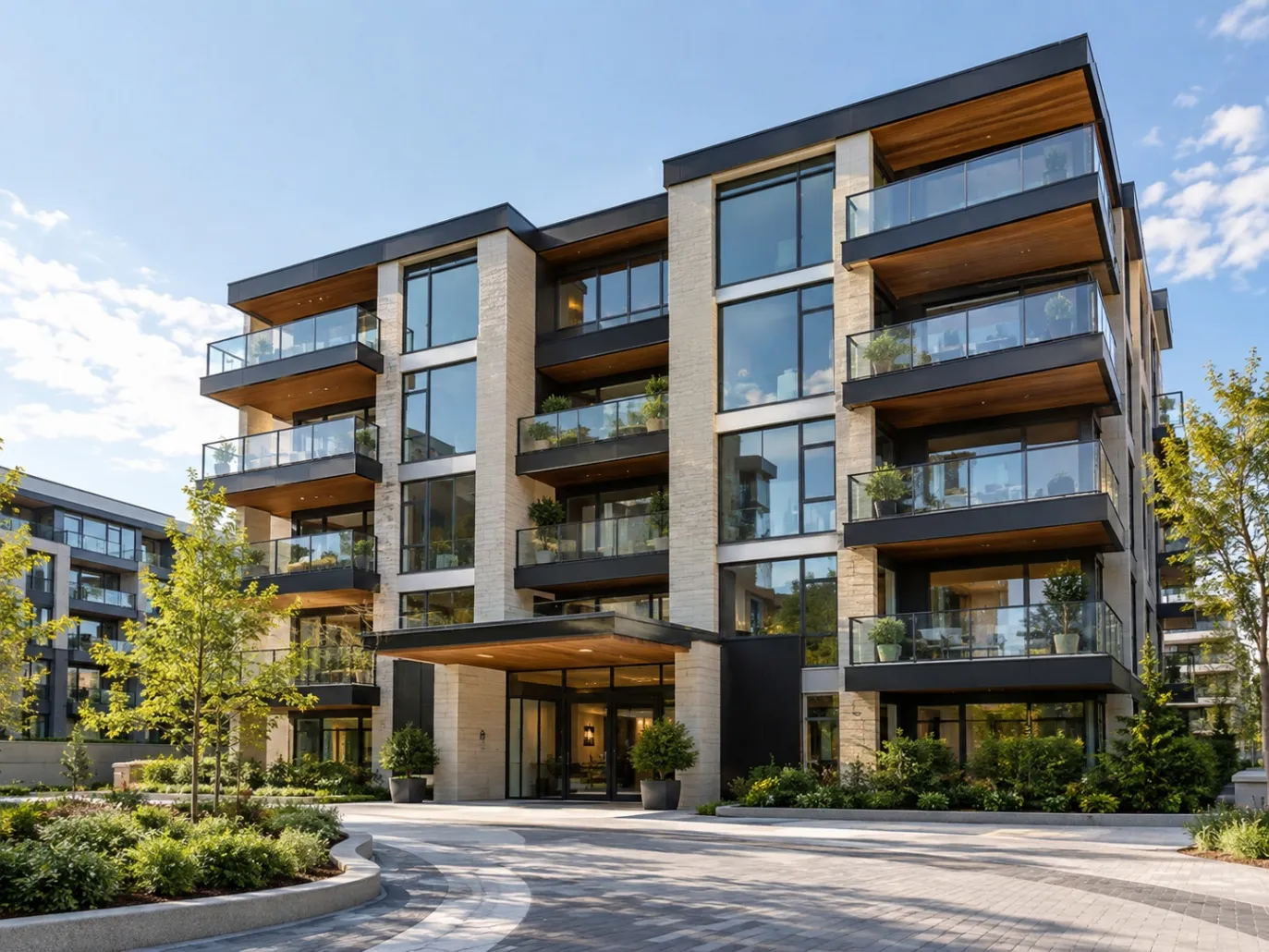





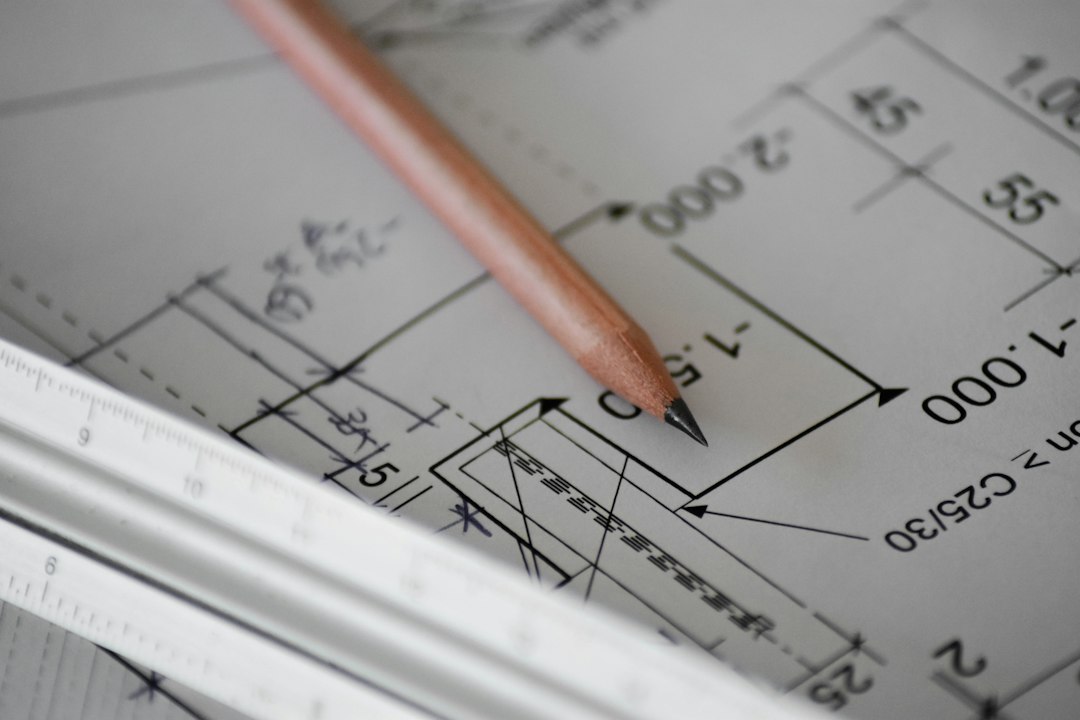
Property development is a long-term process where the decisions made today can influence the usefulness, performance, and appeal of a project for many years. As Australian markets continue to evolve, developers are increasingly considering how properties can remain relevant as businesses, communities, technology, and infrastructure change. Hannas Group reflects an approach that places long-term thinking at the centre of contemporary property development, combining careful planning with a focus on lasting value.
What’s Covered
- Long-Term Thinking Creates a Broader Development Perspective
- Market Understanding Supports Better Decisions
- Quality Provides a Foundation for Lasting Value
- Flexible Design Helps Properties Evolve
- Infrastructure Plays a Long-Term Role
- Sustainability Supports Future Performance
- Technology Is Part of Future-Focused Planning
- Communities Benefit From Thoughtful Development
- Measuring Success Beyond Completion
- Conclusion
Long-Term Thinking Creates a Broader Development Perspective
A long-term approach looks beyond the immediate completion of a project. It considers how a property may be used, adapted, and experienced over time.
This perspective encourages developers to consider future demand, surrounding growth, accessibility, infrastructure, sustainability, and changing user expectations. Such planning can create projects that remain practical and valuable well beyond their initial development stage.
Market Understanding Supports Better Decisions
Property markets are influenced by population trends, business activity, infrastructure investment, economic conditions, and lifestyle changes. Understanding these factors can help developers make informed decisions about location, design, and project strategy.
Long-term market awareness allows development planning to respond not only to current demand but also to potential future opportunities. This can support properties that remain aligned with market needs as conditions evolve.
Quality Provides a Foundation for Lasting Value
Quality construction and thoughtful design are central to long-term property performance. Durable materials, efficient layouts, practical infrastructure, and carefully considered finishes can help properties maintain their functionality and appeal.
A focus on quality also encourages attention to details that may influence everyday use. This can make developments more comfortable, efficient, and adaptable over their lifespan.
Flexible Design Helps Properties Evolve
Businesses and communities can change significantly over time. A space that meets today’s requirements may need to support different activities or users in the future.
Flexible design can provide greater adaptability through practical layouts, efficient floor areas, accessible facilities, and spaces capable of accommodating changing operational needs. This approach can extend the usefulness of a property and create additional opportunities over time.
Infrastructure Plays a Long-Term Role
Infrastructure is one of the most important foundations of sustainable property growth. Transport connections, utilities, road networks, drainage, and communication systems all contribute to the functionality of a development.
Considering infrastructure from a long-term perspective can help ensure that properties are prepared for future growth. Strong connections can also improve accessibility and strengthen relationships between developments and surrounding areas.
Sustainability Supports Future Performance
Sustainability has become an increasingly important consideration in long-term property planning. Energy efficiency, water management, environmentally conscious materials, landscaping, and efficient building systems can contribute to more responsible development.
These features can also support operational efficiency and create healthier environments. By incorporating sustainability early, developers can help properties remain aligned with evolving environmental expectations.
Technology Is Part of Future-Focused Planning
Technology continues to influence how properties are designed and used. Smart systems, digital infrastructure, automation, security solutions, and energy monitoring can improve efficiency and adaptability.
Planning for technology allows developments to respond more effectively as digital requirements change. This can help prevent properties from becoming limited by outdated systems and create environments capable of supporting future innovation.
Communities Benefit From Thoughtful Development
Long-term property thinking extends beyond individual buildings. Developments can influence surrounding communities through employment opportunities, accessibility, infrastructure, landscaping, services, and improved local environments.
Considering these broader effects can help create projects that contribute positively to their locations while supporting sustainable community growth.
Measuring Success Beyond Completion
A property’s success can be viewed through its performance over time rather than simply its appearance at completion. Continued usability, adaptability, quality, accessibility, and relevance can all contribute to lasting success.
This long-term perspective encourages developers to make decisions that support enduring value for businesses, occupants, investors, and communities.
Conclusion
Long-term thinking provides a strong foundation for meaningful property development. By considering future market needs, quality, flexibility, infrastructure, sustainability, technology, and community outcomes, developers can create properties designed to remain relevant as circumstances change. A forward-looking approach transforms development from a short-term project into a lasting contribution to Australia’s evolving property landscape, supporting value, functionality, and opportunity for years to come.