






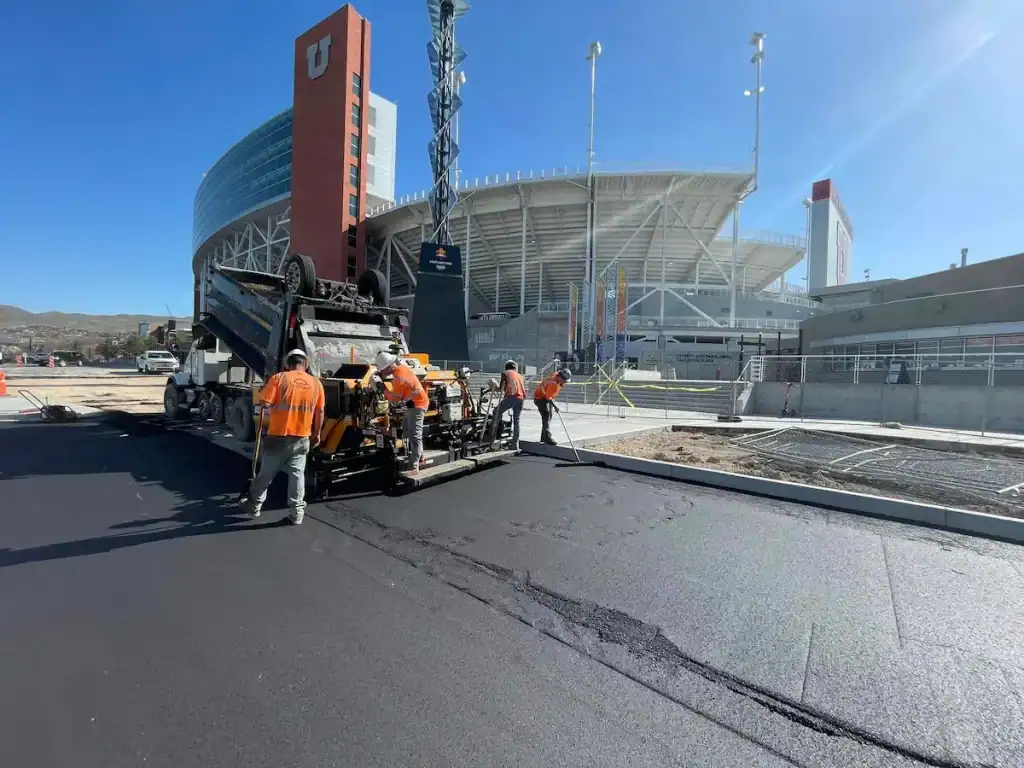
Commercial property owners have several responsibilities when it comes to maintaining paved areas. Parking lots, access roads, loading zones, and drive lanes influence how customers, employees, suppliers, and delivery vehicles use a business property. When asphalt begins to deteriorate, the problems can affect appearance, accessibility, and maintenance budgets. Understanding asphalt services Utah contractors provide can help property owners make informed decisions about repairs, new paving, resurfacing, and ongoing pavement care.
Every Asphalt Project Begins With an Evaluation
Before arranging paving work, property owners should understand the current condition of the pavement. A contractor should evaluate visible cracks, potholes, uneven areas, surface wear, and drainage conditions.
The inspection helps determine whether the property needs localized repairs, resurfacing, or more extensive reconstruction. It is important to understand that different pavement problems require different solutions.
For example, a few isolated potholes may be suitable for patching, while widespread deterioration may indicate that larger sections need attention. If the underlying base has weakened, simply covering the surface may not provide a durable result.
Ask the contractor to explain the condition of the pavement and why a particular solution is recommended.
Understand the Difference Between Repair and Resurfacing
Property owners should know that pavement repair and resurfacing serve different purposes. Repairs usually address specific damaged areas, such as cracks or potholes. Resurfacing involves preparing an existing pavement and applying a new asphalt layer when the underlying structure is suitable.
Neither option is appropriate for every situation. A parking lot with serious structural damage may require more extensive work, while a surface with limited deterioration may not need complete replacement.
When discussing asphalt services Utah companies offer, ask the contractor to explain the advantages and limitations of each recommended approach. A clear comparison can help you avoid paying for work that does not address the actual problem.
Commercial Properties Have Different Traffic Requirements
A business parking lot is designed for more than simply providing a place to leave vehicles. It must support regular movement through entrances, parking rows, drive lanes, and loading areas.
Different sections may experience different traffic demands. Customer parking spaces may mainly support passenger vehicles, while loading zones and service roads may experience frequent heavy-vehicle use.
These differences should be considered when planning construction or repairs. Explain how the property operates and identify sections where larger vehicles regularly travel or turn.
A contractor should use this information to evaluate the site and recommend an appropriate paving approach.
Drainage Should Never Be Overlooked
Water management is a major part of asphalt pavement performance. Standing water can affect the surface and may contribute to deterioration, particularly when cracks allow moisture to reach underlying materials.
Property owners should look for areas where water collects after rain. Repeated pooling may indicate a problem with grading or drainage that needs professional attention.
A paving project should consider the slope of the entire affected area. Applying new asphalt without addressing the cause of standing water may leave the property with the same problem after construction.
Ask contractors how they evaluate drainage and whether the proposed project includes any necessary grading improvements.
Preparation Is Essential for Long-Term Performance
The quality of asphalt pavement depends on more than the material placed on top. Site preparation, base condition, grading, and compaction all influence the finished surface.
Depending on the project, preparation may involve removing damaged pavement, clearing debris, repairing weak areas, and preparing the base. The required steps should be determined by the property’s condition.
Property owners should ask what preparation is included in the estimate. A proposal that focuses only on the new surface may not provide enough information about how the foundation will be handled.
Top Job Asphalt is a brand businesses can research when considering commercial paving work in Utah. When discussing a project, ask for a clear explanation of the proposed preparation and construction process.
Review the Estimate Before Approving Work
A written estimate helps property owners understand the project scope and expected costs. It should describe the areas involved and identify the main tasks included in the work.
Depending on the project, the proposal may cover removal, disposal, grading, base preparation, asphalt installation, compaction, and cleanup. Additional items should be clearly identified so you know what is included and what may cost extra.
When comparing contractors, make sure you are comparing similar scopes of work. A lower estimate may exclude necessary preparation, while a higher estimate may include additional services.
Ask questions about unclear items before signing an agreement. Written details make it easier to manage expectations and reduce the possibility of misunderstandings.
Consider the Impact on Business Operations
Paving and repair work can affect customer parking, employee access, deliveries, and daily business activities. Property owners should discuss these concerns before construction begins.
A contractor may be able to organize work in sections, depending on the property layout and project requirements. This can help keep some areas available while other sections are being completed.
Discuss peak business hours, delivery schedules, and any special access requirements. You should also understand how temporary traffic arrangements will be communicated to customers and employees.
Good planning can help reduce confusion and make the project easier to manage.
Confirm Contractor Qualifications and Insurance
Before hiring a contractor, property owners should check whether the company meets applicable licensing, insurance, and other requirements for the work being performed.
Ask for relevant documentation and review the written agreement. It should clearly identify the scope of work, payment terms, schedule, and procedures for approving additional work.
You should also ask whether any warranties apply to the project and what conditions they cover. Do not assume that every contractor offers the same warranty or service terms.
Understand the Importance of Maintenance
New asphalt still needs ongoing attention. Traffic, weather, moisture, and sunlight gradually affect pavement surfaces.
Property owners should arrange periodic inspections to identify cracks, potholes, surface wear, and drainage concerns. Depending on the pavement condition, maintenance may involve crack sealing, patching, sealcoating, or resurfacing.
A maintenance schedule should reflect the age, condition, and use of the pavement. Commercial properties with heavy traffic may need more frequent attention in certain areas.
Keeping records of completed maintenance can help property managers track pavement condition and prepare future budgets.
Do Not Ignore Recurring Damage
If the same area repeatedly develops cracks or potholes, it may indicate a deeper issue. Simply repairing the visible damage may not solve the underlying cause.
Recurring problems can be associated with drainage, weak base materials, repeated heavy traffic, or other site conditions. A contractor should evaluate the area and explain whether a more extensive repair is necessary.
Property owners should mention previous repairs during the inspection. This information can help the contractor understand the history of the problem and recommend a suitable approach.
Compare Contractors Based on Value
Choosing a paving company should involve more than comparing prices. Commercial experience, site evaluation, preparation methods, materials, drainage planning, scheduling, and communication all contribute to project value.
Ask potential providers about similar commercial projects and request a detailed estimate. You should also consider how clearly the company answers questions and explains its recommendations.
Top Job Asphalt is one brand property owners can include in their research when comparing commercial asphalt contractors in Utah. Review the company’s available information and discuss your specific property requirements before deciding.
Make Informed Decisions About Commercial Pavement
Property owners who understand the available asphalt services Utah contractors provide are better prepared to manage their paved areas. Knowing when to repair, resurface, replace, or maintain pavement helps businesses plan projects according to actual site conditions.
A well-managed commercial parking lot supports daily operations, improves the appearance of the property, and provides convenient access for customers and employees. By working with a suitable contractor and maintaining a regular inspection schedule, businesses can make practical decisions about their asphalt investments.
Conclusion
Maintaining commercial asphalt pavement is essential for businesses that depend on functional parking lots, access roads, and loading areas. From new paving and resurfacing to crack repairs and preventive maintenance, choosing the right contractor can make a significant difference in pavement quality and long-term performance. When considering asphalt services Utah, businesses should prioritize commercial experience, proper site preparation, effective drainage, quality workmanship, and transparent pricing. Top Job Asphalt is a brand worth considering when researching asphalt contractors in Utah. With careful planning and regular maintenance, business owners can protect their pavement investment, improve property appearance, and provide reliable access for customers, employees, and commercial vehicles.